So once we had finished all of our filming after day 3, we were ready to upload and start editing. We have also decided that we would change the name from Cane Hill to Lodge Hill as we have some shots of the sign Lodge Hill from outside the cemetery. We spent hours editing all the shots together, making sure that all the shots had continuity. We felt that the match cuts were clean and smooth, although we had trouble with creating tension and building up the story during the middle part of the film. The beginning and end were strong and fluid, but we still needed to build suspense during the middle section.
We also decided to add an effect to our film, as although the cloudy sky was effective, the darkness was not obvious enough in the last few scenes and we felt that lighting is a very important part of mise en scene in horror films, and so we wanted to exaggerate the shadows and darkness.
Showing posts with label Alex. Show all posts
Showing posts with label Alex. Show all posts
Friday, 4 March 2011

Music
At first, we decided to use an eerie sound score for our film opening, so that diegetic sound could still be featured, whilst still creating an atmosphere of suspense. However, in editing, we found that diegetic sound decreased the tension and suspense of the scene and so when we re-shot the film, we kept this in mind.
Stephen explored the use of atonal music, whilst Summer found a pop-style song: 'Turn Around, Look At Me' by The Vogues, which we thought was interesting as although it was melodic and seemingly cheerful, the lyrics gave it a sinister tone. We all agreed that this was an original idea, but when we placed the music with the first section of our film, we felt it just made it seem comical, rather then setting a disturbing tone. Because of this, we wanted to try to slow down the track in order to distort it but this did not work.
After some research, I found a song with an instrumental introduction: 'Demolition Lovers' by My Chemical Romance, which we added to our montage scene and felt that it worked with the visuals in adding mystery and an eerie mood. However, we still had trouble in trying to find music to use with the rest of the opening.
Stephen explored the use of atonal music, whilst Summer found a pop-style song: 'Turn Around, Look At Me' by The Vogues, which we thought was interesting as although it was melodic and seemingly cheerful, the lyrics gave it a sinister tone. We all agreed that this was an original idea, but when we placed the music with the first section of our film, we felt it just made it seem comical, rather then setting a disturbing tone. Because of this, we wanted to try to slow down the track in order to distort it but this did not work.
After some research, I found a song with an instrumental introduction: 'Demolition Lovers' by My Chemical Romance, which we added to our montage scene and felt that it worked with the visuals in adding mystery and an eerie mood. However, we still had trouble in trying to find music to use with the rest of the opening.
Summer then, after some researching on youtube, found a subtle yet effective pieces of instrumental that coinided with our film, called 'Lullaby', by Midnight Syndicate.
Filming: day 2
The second day of filming was much more successful as we got to use the camera much more and produced more effective shots. We explored the use of many different types of shots, including establishing, two shot, match cut, pans, tilts, zooms and track. The track was arguably the most difficult shot as we did not have a dolly, so this took a lot of time and practice, and on watching back, we realised we needed to re-shoot it. We filmed most shots, but again, had trouble with the middle section, where Stephen is meant to jump out, as we could not get the right effect across to the audience. The scene did not build up enough suspense and so we decided that we needed to revise that section of the storyboard, incorporating the cemetery location, and planned to go back to film that part another day. We also did not film the last section as the camera was running out of battery and we knew that we would need a lot of battery life and time in order to achieve the last few shots as it is the climax of our opening and so needs the most preparation.
Filming: day 3
On day 3 of filming, we re-filmed the majority of our shots in order to enhance continuity throughout the opening. The weather was perfectly overcast, although this meant that we couldn't use any shots from the previous shoot as it was much brighter and more sunny. On the other hand, we spent the whole day re-shooting, and we finally perfected Stephen's 'jump out' shot, after many more tries. The track shot was also complete, and so we moved on to the last few pieces. I had to wear just a white dress, and was covered with the fake blood. We tried a few different angles for this shot, and then completed the low, canted angle of Zara and Stephen running away, which we all agreed was perfect after just one try.
Filming: day 1
Now that we had found our perfect location, we began to film. The weather was cold and we did not have the tripod but we attempted to follow the storyboard, filming Zara and Stephen's two shots and establishing shots of the landscape. Also, we attempted the 360 we hoped to achieve, numerous times, but on watching it back, we felt that the pace of it was not suitable for the film and just slowed down the narrative. In filming on this day, we all learnt that it was very time-consuming to get the right shot and that sometimes, the shots in the storyboard needed to be changed in order to get the most suitable shots. We felt that this filming session was mostly just to adjust ourselves to the surroundings, and test out a few shots, and so we decided that we would need another, longer day of more in-depth filming.
Thursday, 10 February 2011
Location: Plumstead Cemetery
After visiting the location in Woolwich a second time, we decided that again we needed to change as it was too difficult to get in to. On out way to the Woolwich location we passed a cemetery and we agreed that a cemetery would be a suitable location and would work with our storyline. Therefore on our way back we went to the cemetery which is located on Lodge Hill and began to film. The weather was overcast which created an effective atmosphere.
Wednesday, 9 February 2011
Location:Woolwich


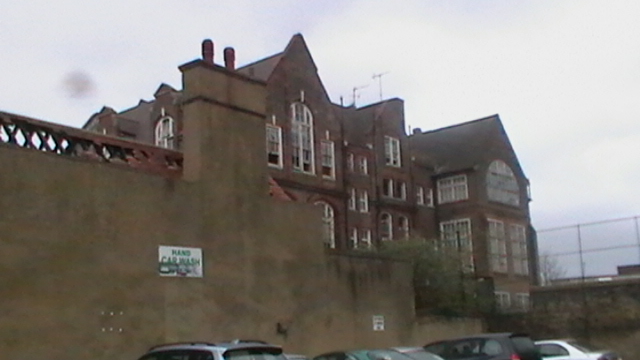

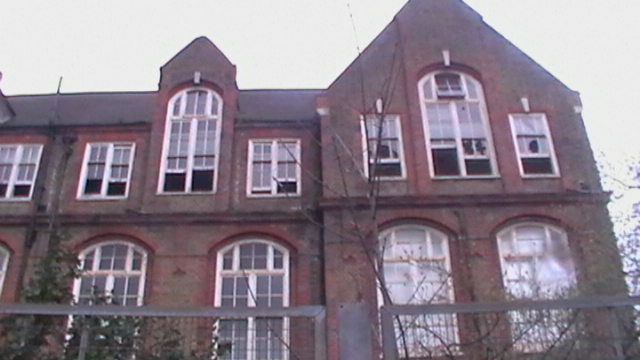


However when we arrived there we realised that there was no way in it so we decided to go to another location.
Sunday, 30 January 2011
Location: The Coronet
Next, we decided to carry on researching abandoned buildings in the hope of finding one that would be suitable to film our horror opening at.
We found a few potential locations including abandoned mills and hospitals but our favourite was The Coronet Cinema in Eltham. The cinema opened in the 1930s as an Odeon, but was closed in 2000.
We thought this would be a good location as although it is not a mental asylum which was our original idea, it is an uncanny setting that is now derelict and decayed and so adds to the fear factor.
I visited the Coronet after finding a friend who had looked around it previously, but it was surrounded by boards. We later found that the site had gained planning permission for an auditorium, restaurant and apartments, so we decided to carry on our search for a location.
Here is a picture of it from the outside and inside the cinema:


We found a few potential locations including abandoned mills and hospitals but our favourite was The Coronet Cinema in Eltham. The cinema opened in the 1930s as an Odeon, but was closed in 2000.
We thought this would be a good location as although it is not a mental asylum which was our original idea, it is an uncanny setting that is now derelict and decayed and so adds to the fear factor.
I visited the Coronet after finding a friend who had looked around it previously, but it was surrounded by boards. We later found that the site had gained planning permission for an auditorium, restaurant and apartments, so we decided to carry on our search for a location.
Here is a picture of it from the outside and inside the cinema:
Friday, 28 January 2011
Costumes
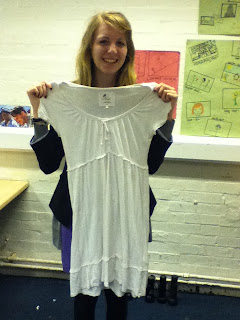
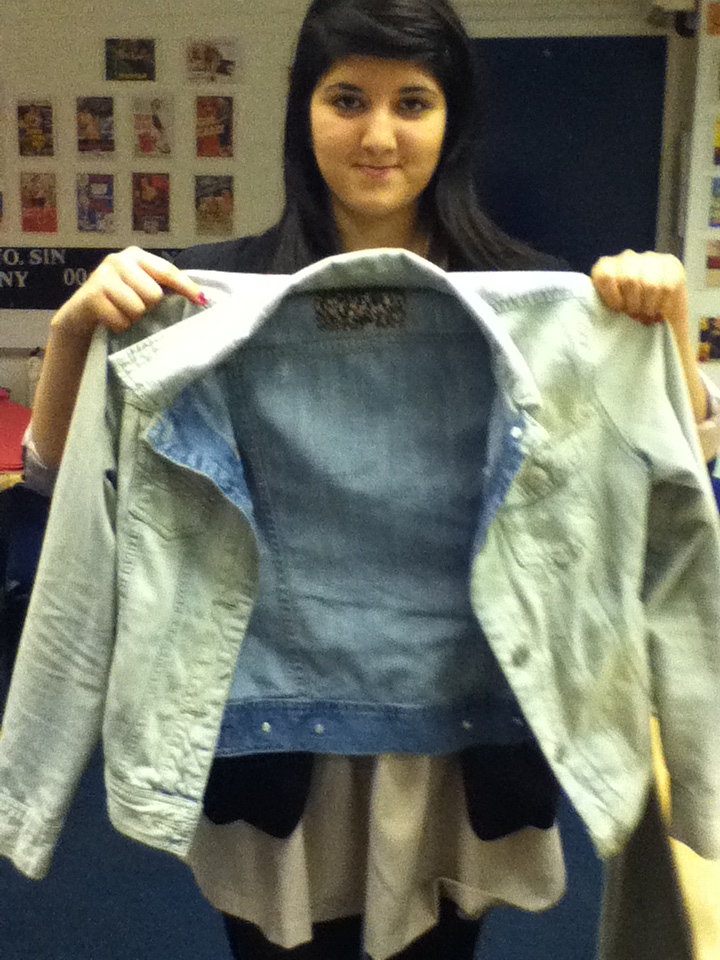
For our costumes, we decided to wear light, mostly denim casual clothes so that the audience can relate to the characters, to make it seem realistic, and to contrast with the darkness of the plotline and mise en scene. In particular, we focused on the victims costume and decided on a white dress as it represents purity, vulnerability and innocence, and also highlights the red of blood.




Thursday, 27 January 2011
Test shots
These are the test shots for our horror film, we practiced the shots during our media lesson. We followed the shots from the storyboard. This will help us when we come to actually film the real thing.
Wednesday, 26 January 2011
Props: newspaper montage
For the opening section of our film we decided to incorporate newspaper articles to foreshadow the deaths that signify the end of the opening, and introduce the villian to the rest of the film. This would also give us a chance to create opening credits which are common conventions of film openings.
I began by cutting out newspaper articles and sticking them to a piece of cardboard. I then cut out relevant words and phrases such as 'death' and 'missing', and then I used the photos' Summer took of us, imitating mortuary photos. I then edited these to increase the contrast so there were more shadows, and then printed them out and added them to the montage. I then filmed a pan of the montage and uploaded it.


I began by cutting out newspaper articles and sticking them to a piece of cardboard. I then cut out relevant words and phrases such as 'death' and 'missing', and then I used the photos' Summer took of us, imitating mortuary photos. I then edited these to increase the contrast so there were more shadows, and then printed them out and added them to the montage. I then filmed a pan of the montage and uploaded it.


Props: fake blood
After an unsuccessful attempt to buy fake blood, we decided to make our own.
We researched the materials we would need: golden syrup, plain flour, red food colouring and blue food colouring, and then made the fake blood.
At first, the consistency was too thin, but after adding more syrup and flour, it started to look more realistic.


We researched the materials we would need: golden syrup, plain flour, red food colouring and blue food colouring, and then made the fake blood.
At first, the consistency was too thin, but after adding more syrup and flour, it started to look more realistic.


Props
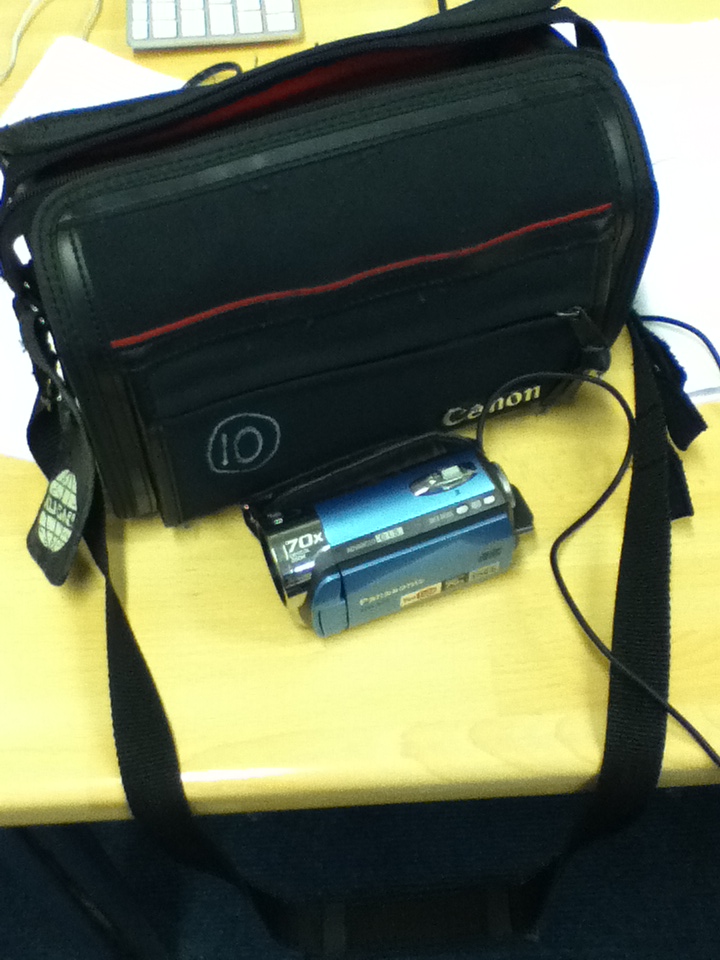
We deliberated and decided that in order to film our horror opening, we would need:
-a white dress
-fake blood
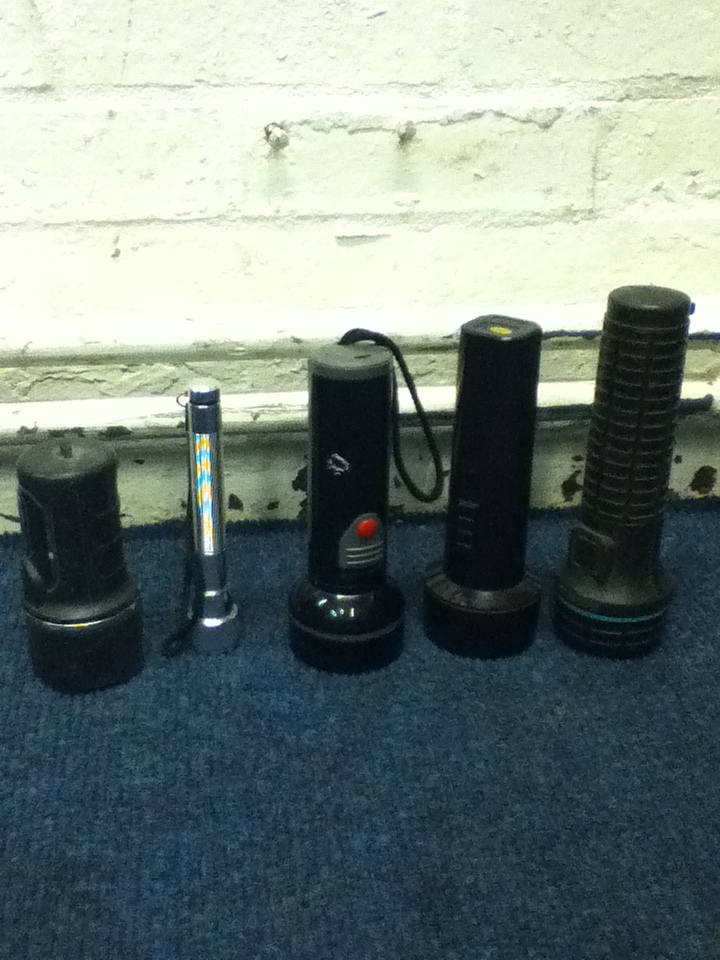
-torches
-a white sheet
-newspaper articles
-photographs of us including normal and 'mortuary' photos
-face wipes


-a white dress
-fake blood
-torches
-a white sheet
-newspaper articles
-photographs of us including normal and 'mortuary' photos
-face wipes


Storyboarding
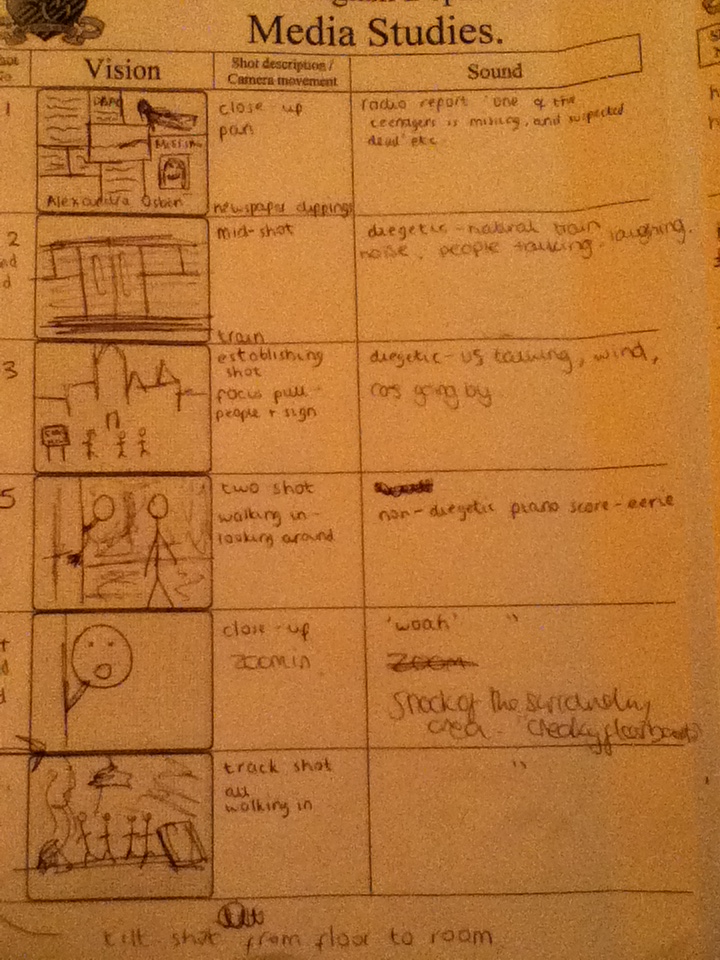
We thought about the chronological plotline of our horror film opening and came up with a rough draft of the development of events:
newspaper articles, radio report
quick flash of train
flash to the sign of the mental hospital: 'Cane Hill'
walk into the asylum, look around
Stephen jumps out and scares Alex- red herring
Alex storms off
the others continue looking around
they hear a scream and run to find Alex
Alex is sitting on the floor with her back turned, rocking
Alex lifts her head, turns around, and points at Stephen, covered in blood
everyone begins to back off and then start running away as Alex crawls after them
the camera is dropped and the last shot is a view of the teenagers running away, screaming, whilst Alex's fingers twitch
Knowing this, we decided to produce a more in-depth storyboard so that we had a good idea of what shots we wanted to include.


newspaper articles, radio report
quick flash of train
flash to the sign of the mental hospital: 'Cane Hill'
walk into the asylum, look around
Stephen jumps out and scares Alex- red herring
Alex storms off
the others continue looking around
they hear a scream and run to find Alex
Alex is sitting on the floor with her back turned, rocking
Alex lifts her head, turns around, and points at Stephen, covered in blood
everyone begins to back off and then start running away as Alex crawls after them
the camera is dropped and the last shot is a view of the teenagers running away, screaming, whilst Alex's fingers twitch
Knowing this, we decided to produce a more in-depth storyboard so that we had a good idea of what shots we wanted to include.


Tuesday, 18 January 2011
1980s/90s horror
Popular horror films of the 80s
•Friday the 13th (1980)
•The Shining (1981)
•A Nightmare of Elm Street (1984)
•Aliens (1986)
•Hellraiser (1987)
•Childs Play (1988)
Popular horror films of the 90s
•Silence of the Lambs (1991)
•Candyman (1992)
•Scream (1996)
•The Blair Witch Project (1999)
Popular conventions of the time
The 80s saw excellence in special effects, and along with the materialistic culture that consumed the era, effects were made more realistic by using improved make-up and effects. As a result of these advancements, aliens, ghosts and wolves were used frequently: each as grotesque-looking as the next. Masks were common, for example, Freddy Krueger. Films became very visually graphic during this era.
Many popular films of the 1980s were re-made in the 1990s, such as Friday the 13th and Halloween, continuing the graphic development of the genre. Stephen King’s books were adapted into horror films in the 1990s, with good reception from audiences. Splatter films were also created in these years, but were often exaggerated for comedic effect.
How the genre developed
Popular directors include Wes Craven and John Carpenter.
Slasher films- known for featuring psychopathic killers performing violent murders, peaked in the 1980s. But soon, viewers became less interested in gore and serial killings, and moved on to more technologically sound films due to the increased use of the computer.
The development of horror: 1940s to the present day
1940/50s
WWII had a big impact on horror films, as millons died, most citizens experienced real fear and death. The Roswell UFO incident also occured in 1947, and influenced films around this time.
FIlms were referred to at this time as B-movies as they were often low budget.
Wolfman (1941)
Godzilla (1954)
Dracula (1958)
The key conventions of this era include monsters and disease, as shown in the J-movie, 'Godzilla' and 'Wolfman'.
1960/70s
Censorship decreased and so there was a rise in splatter films in the 60s, popularised by film-maker, Herschell Gordon Lewis, and slasher films in the 70s.
Psycho (1960)
Night of the Living Dead (1968)
The Excorcist (1973)
The Texas Chainsaw Massacre (1974)
Halloween (1978)
The key conventions of this era include death, gore, violence, murders and childhood fears. However, from the beginning of the era, the number of deaths decreased in films.
2000s
Re-makes were popular in this era, including Halloween, as directors wished to repeat the commercial success of the original film. There was a rise in new technology, which was portrayed in films such as 'Cloverfield', and there was also an increased use in special effects. Boundaries were also pushed between horror and comedy, such as in Final Destination.
Final Destination (2000)
28 Days Later (2002)
Dawn of the Dead (2004)
[REC] (2007)
The key conventions of this era include gore and torture, such as in 'Saw'. Teenagers became to be used a lot more as they were stereotypically vulnerable.
WWII had a big impact on horror films, as millons died, most citizens experienced real fear and death. The Roswell UFO incident also occured in 1947, and influenced films around this time.
FIlms were referred to at this time as B-movies as they were often low budget.
Wolfman (1941)
Godzilla (1954)
Dracula (1958)
The key conventions of this era include monsters and disease, as shown in the J-movie, 'Godzilla' and 'Wolfman'.
1960/70s
Censorship decreased and so there was a rise in splatter films in the 60s, popularised by film-maker, Herschell Gordon Lewis, and slasher films in the 70s.
Psycho (1960)
Night of the Living Dead (1968)
The Excorcist (1973)
The Texas Chainsaw Massacre (1974)
Halloween (1978)
The key conventions of this era include death, gore, violence, murders and childhood fears. However, from the beginning of the era, the number of deaths decreased in films.
2000s
Re-makes were popular in this era, including Halloween, as directors wished to repeat the commercial success of the original film. There was a rise in new technology, which was portrayed in films such as 'Cloverfield', and there was also an increased use in special effects. Boundaries were also pushed between horror and comedy, such as in Final Destination.
Final Destination (2000)
28 Days Later (2002)
Dawn of the Dead (2004)
[REC] (2007)
The key conventions of this era include gore and torture, such as in 'Saw'. Teenagers became to be used a lot more as they were stereotypically vulnerable.
Monday, 17 January 2011
'Scream' analysis
We watched the opening of the infamous horror film 'Scream', and I analysed the use of sound in the clip and the representations of gender within the scene.
In the 'Scream' clip, diegetic and non-diegetic sound represents a mostly negative view of men and a largely sympathetic view of women from the audience.
The phone begins to ring and the protagonist picks it up, which becomes a recurring symbol of tension, signalling to the audience the girls' vulnerability as she continuously responds to the anonymous phone call. The girls' voice is high pitched with a relaxed tone, showing her to be possibly naive, as the man on the phone has an extremely calm and deep voice as he says "I'm sorry, I guess I dialled the wrong number". The girl then begins to make popcorn, which becomes louder and pops more aggressively building tension within the girls' otherwise quiet and serene home. As the man says "I want to know who I'm looking at", a diegetic score begins: a slow, minor piano, suggesting that the girl is beginning to feel exposed and under threat. The eerie sound becomes louder as the girl shouts "listen..." and drums sound as the girl runs down her hallway, which suggests that she is trying to gain control over him. Hostility increases as the girl peers outside her front door, breathing heavily due to her fear. The male character could seem mysterious as the room is silent, but then the doorbell rings and the girl screams hysterically, "who's there? Who's there?", whilst crying, suggesting that the male antagonist is leaving her defenseless as she questions him. As the girl cries, the phone rings again and she jumps and sobs, answering the phone, further implying his male dominance over her. The girl whispers "how do you know his name?". Her questioning the anonymous male character could represent her worry and fear. It is then silent for a few seconds and then drums beat as she shouts "he's big, and he plays football, and he'll kick the s**t out of you!", her voice breaking with anxiety. This portrays a possible stereotype of gender as the female feels that she will be protected by her male partner. However, after the girl is commanded to turn on the patio lights, again showing female weakness, her boyfriend Steve is outside, silently strapped to a chair, which could portray an alternate view of men: as weak, as one has been controlled by another.
Mise en scene potentially shows females as vulnerable and innocent which could be seen as positive or negative from the audiences' position. Males could also be seen as protective and loyal, or weak, depending on the audiences' point of view. The girl has light blonde hair and fair skin which could symbolise innocence and perhaps naivety, emphasised by her youthful age. She is wearing a cream jumper and pale blue pyjama bottoms, showing that she is perhaps comfortable but also unprepared and unknowing of any danger. Her house is relatively large, with white walls and bright lights on which could highlight the symbol of purity and youth, and thus making her seem less able to defend herself and more sensitive to attack. Props are used effectively as the girl walks over to her popcorn in the kitchen, and then to some knives on the counter which could forshadow her susceptible position and also symbolise the controlling male stranger as dangerous. As she looks outside at her boyfriend Steve, he may hold alternate connotations as he is wearing a stereotypically masculine varsity jacket and jeans, but he is tied to a chair, which could portray the preferred view of weakness, or oppositional view of bravery and loyalty, comparing vastly to the other male antagonist.
In the 'Scream' clip, diegetic and non-diegetic sound represents a mostly negative view of men and a largely sympathetic view of women from the audience.
The phone begins to ring and the protagonist picks it up, which becomes a recurring symbol of tension, signalling to the audience the girls' vulnerability as she continuously responds to the anonymous phone call. The girls' voice is high pitched with a relaxed tone, showing her to be possibly naive, as the man on the phone has an extremely calm and deep voice as he says "I'm sorry, I guess I dialled the wrong number". The girl then begins to make popcorn, which becomes louder and pops more aggressively building tension within the girls' otherwise quiet and serene home. As the man says "I want to know who I'm looking at", a diegetic score begins: a slow, minor piano, suggesting that the girl is beginning to feel exposed and under threat. The eerie sound becomes louder as the girl shouts "listen..." and drums sound as the girl runs down her hallway, which suggests that she is trying to gain control over him. Hostility increases as the girl peers outside her front door, breathing heavily due to her fear. The male character could seem mysterious as the room is silent, but then the doorbell rings and the girl screams hysterically, "who's there? Who's there?", whilst crying, suggesting that the male antagonist is leaving her defenseless as she questions him. As the girl cries, the phone rings again and she jumps and sobs, answering the phone, further implying his male dominance over her. The girl whispers "how do you know his name?". Her questioning the anonymous male character could represent her worry and fear. It is then silent for a few seconds and then drums beat as she shouts "he's big, and he plays football, and he'll kick the s**t out of you!", her voice breaking with anxiety. This portrays a possible stereotype of gender as the female feels that she will be protected by her male partner. However, after the girl is commanded to turn on the patio lights, again showing female weakness, her boyfriend Steve is outside, silently strapped to a chair, which could portray an alternate view of men: as weak, as one has been controlled by another.
Mise en scene potentially shows females as vulnerable and innocent which could be seen as positive or negative from the audiences' position. Males could also be seen as protective and loyal, or weak, depending on the audiences' point of view. The girl has light blonde hair and fair skin which could symbolise innocence and perhaps naivety, emphasised by her youthful age. She is wearing a cream jumper and pale blue pyjama bottoms, showing that she is perhaps comfortable but also unprepared and unknowing of any danger. Her house is relatively large, with white walls and bright lights on which could highlight the symbol of purity and youth, and thus making her seem less able to defend herself and more sensitive to attack. Props are used effectively as the girl walks over to her popcorn in the kitchen, and then to some knives on the counter which could forshadow her susceptible position and also symbolise the controlling male stranger as dangerous. As she looks outside at her boyfriend Steve, he may hold alternate connotations as he is wearing a stereotypically masculine varsity jacket and jeans, but he is tied to a chair, which could portray the preferred view of weakness, or oppositional view of bravery and loyalty, comparing vastly to the other male antagonist.
Sunday, 28 November 2010
Horror films
What is horror?
People often associate horror with death, revenge, shock, physchological violation, manipulation, torture, sexual repression, fear, mystery, ambiguity, uncertainty, childlike fears, uncomfortable atmospheres, the unknown and social issues.
Why watch horror?
Rebellion, adrenaline, shared experience.
Who watches horror?
Horror is often aimed at adults and teenagers, as they enjoy the thrill, and there needs to be censorship for young children.
Common conventions include uncanny settings such as a house or the woods, darkness or dim lighting in order to evoke a sense of mystery, creatures, monsters, zombies or aliens which emphasise the fear of the unknown, a slow, minor sound score that increases in pace, increasing tension and suspense, close-ups to show intense emotions but also to eliminate the view of surroundings to make the audience feel unsettled in the unknown surrounding and fast-paced editing to build up adrenaline and fear. The narrative is often a vulnerable victim such as a female or a young teenager, as this enable the antagonist to more easily victimise the protagonist. However, many directors may choose to oppose these conventions for effect.
People often associate horror with death, revenge, shock, physchological violation, manipulation, torture, sexual repression, fear, mystery, ambiguity, uncertainty, childlike fears, uncomfortable atmospheres, the unknown and social issues.
Why watch horror?
Rebellion, adrenaline, shared experience.
Who watches horror?
Horror is often aimed at adults and teenagers, as they enjoy the thrill, and there needs to be censorship for young children.
Common conventions include uncanny settings such as a house or the woods, darkness or dim lighting in order to evoke a sense of mystery, creatures, monsters, zombies or aliens which emphasise the fear of the unknown, a slow, minor sound score that increases in pace, increasing tension and suspense, close-ups to show intense emotions but also to eliminate the view of surroundings to make the audience feel unsettled in the unknown surrounding and fast-paced editing to build up adrenaline and fear. The narrative is often a vulnerable victim such as a female or a young teenager, as this enable the antagonist to more easily victimise the protagonist. However, many directors may choose to oppose these conventions for effect.
Subscribe to:
Posts (Atom)